
Early construction budgets that show owners, developers and lenders what a project is likely to cost before detailed design is complete.
Big decisions about a project are made before the drawings are finished. Should you buy the land? Is the building size right? Will the project qualify for financing? A budget estimate answers these questions by giving a reliable cost range based on the information available today.
Our budget estimating services combine area-based costs, historical project data and quick takeoffs of major elements. The result is more accurate than a simple cost-per-square-foot guess, but faster and less expensive than a full detailed estimate.
As design progresses, the budget can be updated into a preliminary estimate and later into a full bid-level estimate, so cost control continues through every phase.
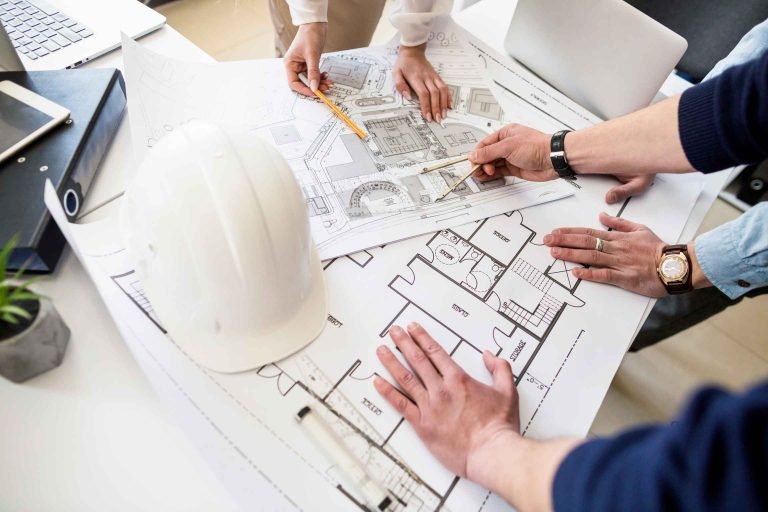
Enough detail to support early decisions, without waiting for final drawings.
A likely total with low and high values that reflect current uncertainty.
Separate figures for structure, envelope, interiors, MEP and sitework.
Benchmarks that help compare the project with similar buildings.
Optional allowances for design fees, permits and contingency.
The scope, quality level and conditions the budget is based on.
A structure that can be refined as the design develops.
Quick, clear and based on the information you have now.
Building type, size, location, quality level and any early drawings.
Key systems are measured or modeled from concept information.
Local cost data and comparable project costs set the range.
You receive a summary with totals, ranges and assumptions.
Developers and investors use budget estimates to test feasibility before purchasing land or starting design. Homeowners planning a custom home or major renovation use them to set expectations early. Lenders and public agencies use them to review funding requests.
Architects also order budget estimates at the concept stage to make sure the design brief and the client’s budget agree.
A good budget is only useful if it is managed. These habits help keep costs under control.
Early budgets should carry a contingency for design changes and unknowns.
Agreeing on finish levels early prevents surprise cost increases later.
Update the estimate at schematic, design development and bid stages.
Small additions to the program add up quickly.
Allow for price changes if construction starts months later.
Keep design fees, permits and financing visible alongside construction cost.
Budget numbers quickly when early decisions cannot wait.
Ranges based on costs for your area, not national averages.
The budget becomes the base for later, more detailed estimates.
Common questions about early construction budgets.
Accuracy depends on how much information is available. The report shows a range that narrows as the design becomes more detailed.
Yes. A budget can be based on building type, size, location and quality level, though even simple sketches improve accuracy.
No. Bids need a detailed estimate based on complete drawings. A budget is meant for planning and feasibility.
Many clients include our budget estimates in funding applications. Let us know the lender’s format requirements.
Describe your project and location, and find out what it is likely to cost before you commit.